GameStop's $56 Billion eBay Bid Was Rejected — But the Play for the Collectibles Market Is Just Beginning
eBay's board didn't just say no to GameStop — they called the $56 billion offer "neither credible nor attractive." But Ryan Cohen isn't walking away. He's opening an eBay storefront. He's buying more eBay stock personally. And GameStop's collectibles strategy — in-store PSA grading, retail card sales, and now a direct marketplace presence — suggests the M&A drama is just Act One of a much bigger play for vertical integration in the card hobby.
The Bid That Shook the Hobby
In late May 2026, GameStop made an unsolicited $56 billion all-stock bid to acquire eBay. The proposal, first reported by the Wall Street Journal, would have merged the world's largest online marketplace with the retailer that has quietly become the most aggressive brick-and-mortar player in trading cards.
eBay's board rejected the offer on June 2. The formal response was blunt: the bid was not considered credible or attractive to shareholders. But the rejection didn't end the story — it rerouted it. Within days, GameStop had opened a branded eBay storefront. Ryan Cohen, GameStop's CEO, increased his personal stake in eBay stock. The message was clear: GameStop wants in on the collectibles marketplace, one way or another.
Why This Matters for Sports Cards
This isn't just tech-industry M&A theater. GameStop has spent the last two years building a collectibles infrastructure that would make a combined GameStop-eBay entity the most vertically integrated force the hobby has ever seen:
- PSA grading in stores: GameStop already accepts PSA submissions at hundreds of locations. Walk in with raw cards, walk out with a submission confirmation. The grading bottleneck is now a retail service.
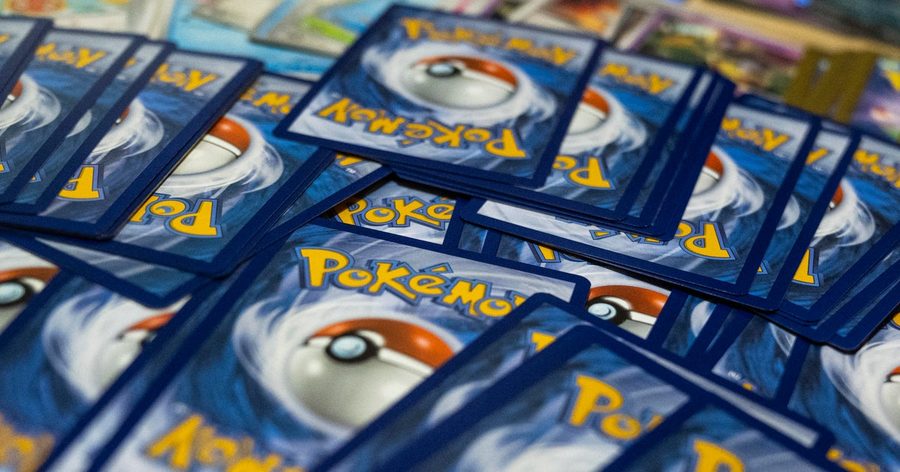
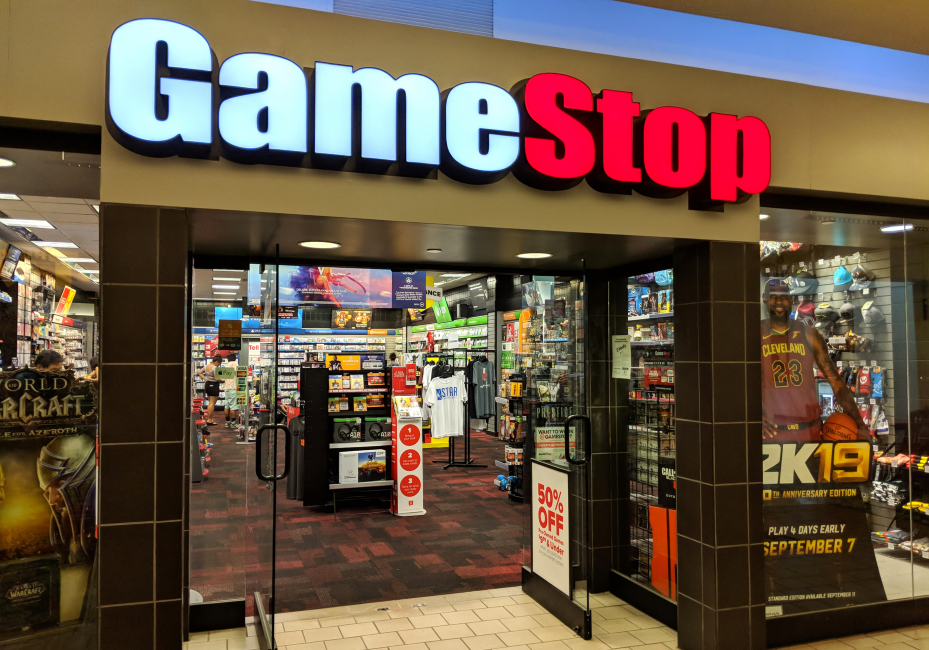
- Retail card sales: GameStop stores stock trading cards alongside video games. They're not a card shop — they're a mass-market retailer carrying sealed wax at scale.
- eBay marketplace: The rejected bid doesn't change the fact that GameStop now has a storefront on the platform it tried to buy. They're learning the marketplace from the inside.
If GameStop eventually succeeds — through acquisition, partnership, or organic competition — the result is a company that controls grading access, retail distribution, and the secondary marketplace. That's a level of vertical integration that would make Fanatics look modest.
The Antitrust Question
Even if eBay's board had been receptive, this deal would have faced serious regulatory scrutiny. A combined GameStop-eBay would control an enormous share of the trading card resale market. The DOJ and FTC have been increasingly aggressive on tech M&A — and a deal that puts grading submission points, retail shelves, and the largest secondary marketplace under one roof would almost certainly trigger a review.
But the regulatory question may be moot, because GameStop isn't waiting for permission. They're building the pieces independently. The eBay storefront is live. The PSA partnership is expanding. The retail footprint — thousands of stores — already exists. The acquisition would have been a shortcut. GameStop seems willing to take the long way.
The Fanatics Parallel
This playbook looks familiar. Fanatics has spent the last five years acquiring: Topps, Mitchell & Ness, PointsBet, PWCC, and exclusive licensing deals with the NFL, NBA, and MLB. The goal was always clear — own the entire collector pipeline from manufacturing to marketplace.
GameStop is running a version of the same play, but starting from the retail floor instead of the manufacturing line. Both companies see the same opportunity: the sports card hobby is fragmented, and whoever can vertically integrate it captures margins at every step of the collector journey.
The difference is that Fanatics started with licensing and manufacturing and is moving toward retail and marketplace. GameStop is starting at retail and moving toward marketplace and services. They're converging on the same destination from opposite directions.
What This Means for Sellers and Collectors
In the short term, nothing changes. eBay is still eBay. GameStop is still GameStop. Sellers aren't seeing different fees, and buyers aren't seeing different inventory.
But the medium-term implications are real. If GameStop's eBay storefront gains traction, it establishes them as a marketplace participant while they continue to explore acquisition or competitive alternatives. A GameStop that understands eBay's seller economics from the inside is a more formidable competitor — or a more credible buyer.
The worst-case scenario for collectors is consolidation that reduces competition and raises fees. The best-case scenario is that GameStop's entry forces eBay to compete harder on seller terms — lower fees, better tools, more collector-friendly policies. Which one we get depends on whether GameStop competes or consolidates.
Verdict: The $56 billion bid failed, but GameStop's collectibles strategy didn't. The company is building an end-to-end collector infrastructure — grading, retail, marketplace — with or without eBay's cooperation. The hobby should be paying attention, because the fight over who owns the collector relationship is just getting started.