Panini's World Cup Sticker Frenzy Meets the End of a 60-Year FIFA Era
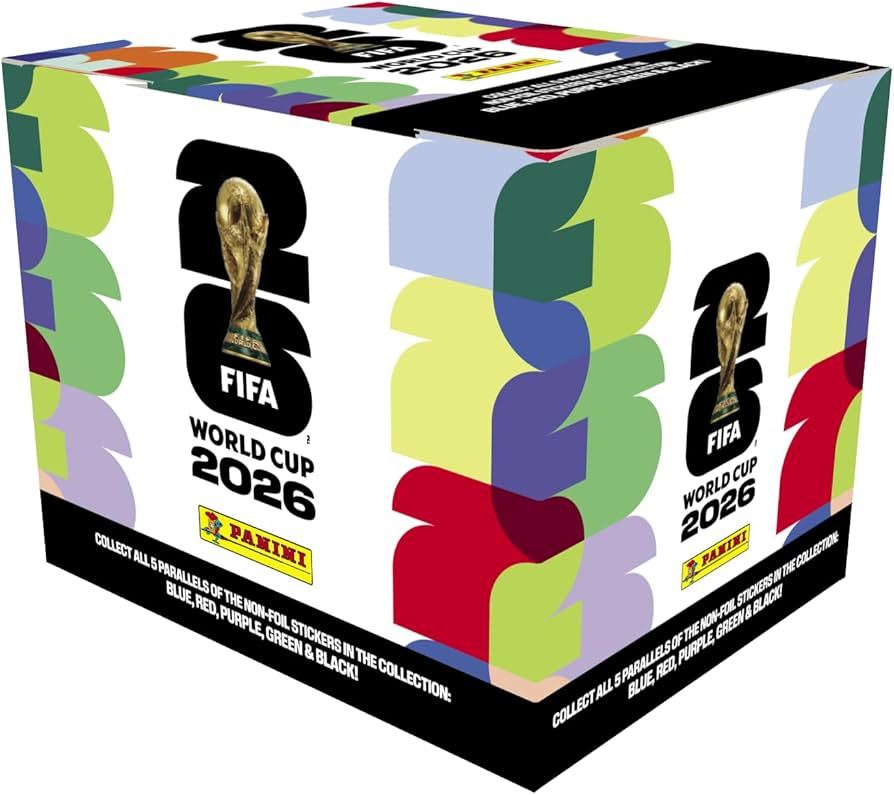
The 2026 World Cup is being played on North American soil for the first time, and Panini's sticker phenomenon has reached a fever pitch that even the company didn't see coming. As collectors race to fill 980-spot albums during the group stage, packs are selling out at major US retailers — and the clock is ticking on the 60-year partnership that made Panini a household name.
The Sticker Frenzy
Panini America gave away 10 million free World Cup sticker albums through retail partners ahead of the tournament — a massive bet on expanding the US market for a product that has historically been an afterthought in American sports collecting. It worked. According to Jason Howarth, Panini America's senior vice president of marketing and athlete relations, retailers surpassed their entire 2022 World Cup sales totals before the 2026 tournament even kicked off.
The 2026 album features 980 sticker spots — larger than any previous edition — covering all 48 teams in the expanded tournament format. Unlike traditional sports cards, which American collectors typically preserve in graded slabs and one-touches, Panini stickers are designed to be peeled and placed, creating a completed album that tells the story of the tournament. It's a tactile, communal collecting experience that has long been a global tradition but has never fully taken hold in the US market — until now.
The secondary market has followed suit. Sticker packs that retail for $1.50 are changing hands at significant markups on eBay and Facebook Marketplace as local retailers sell through inventory faster than expected. Complete-album chases — where collectors trade duplicates to fill missing spots — have spawned dedicated swap meets and online trading groups across the country.
The End of a 60-Year Era
While Panini enjoys its biggest US moment, a seismic shift looms. Fanatics-owned Topps has secured the exclusive FIFA trading card and sticker rights beginning in 2031, ending what will be a 60-year unbroken partnership between Panini and world soccer's governing body. Panini produced its first World Cup sticker album for the 1970 tournament in Mexico — a 16-sticker set that is now a holy grail for completists — and has released an album for every subsequent World Cup.
The 2031 transition means that the 2026 and 2030 World Cups will be the last two tournaments under Panini's banner. For collectors, this creates an immediate sense of urgency around Panini World Cup product — particularly the 2026 album, which represents the first (and likely only) edition produced for a North American-hosted tournament. The 2030 World Cup, which will span Uruguay, Argentina, Paraguay, Spain, Portugal, and Morocco, will be Panini's swan song.
What This Means for Collectors
The convergence of the North American sticker frenzy with the end of Panini's FIFA license creates a unique collecting moment. The 2026 album is the first World Cup sticker set designed with the US collector in mind — bilingual packaging, broader retail distribution, and a marketing push that treated the album launch like a trading card release. The 10 million free albums distributed ahead of the tournament represent an unprecedented supply-side investment that no future Topps-produced World Cup set will need to replicate.
For Panini itself, losing FIFA follows the loss of the NBA and NFL licenses to Fanatics. The company has pivoted to English Football League (EFL) club soccer cards for US retail and continues to dominate the European sticker market, but the end of the FIFA partnership marks the conclusion of the longest-running licensing relationship in modern sports collectibles. Panini's sticker legacy — from the 1970 Mexico set to the 2026 North American edition — represents an unbroken 60-year visual history of the world's biggest sporting event.
The sticker album tradition will almost certainly continue under Topps beginning in 2031, but it will look different. Topps brings decades of baseball card design expertise and a direct-to-retail infrastructure that Panini has spent years building from scratch in the US. How the transition affects album format, sticker quality, and the secondary market remains to be seen.
Verdict
Panini's 2026 World Cup sticker frenzy is a genuine cultural moment — the first time the US has embraced a global collecting tradition at scale, happening simultaneously with the sunset of a 60-year licensing partnership. For collectors, the 2026 album is already a piece of history in the making. For the hobby, it's a reminder that the most interesting collecting stories often happen where sports, culture, and commerce converge.