Pokemon vs. Panini: Where the Smart Money Is in 2026
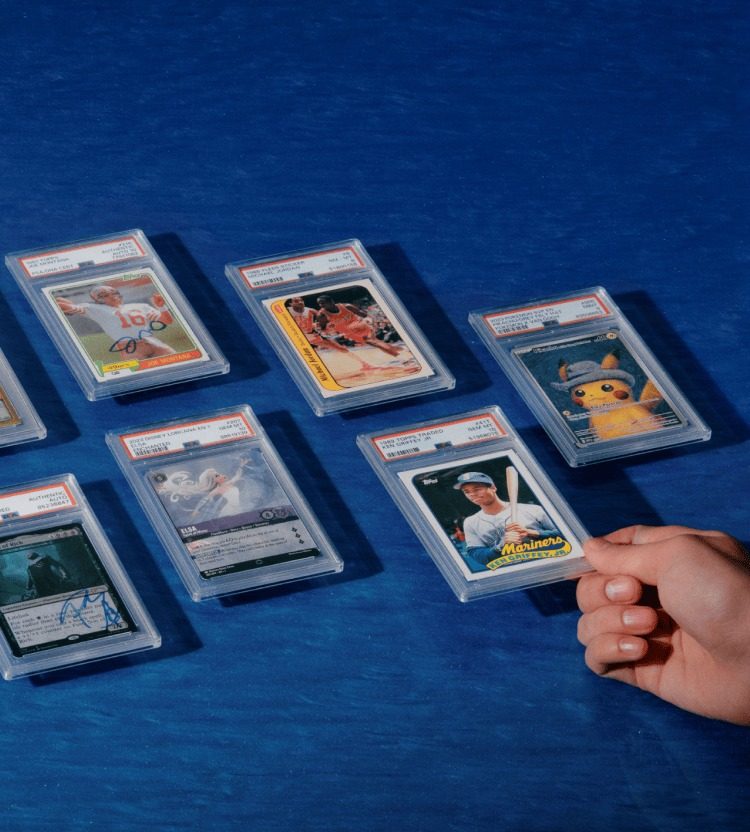
The numbers are in, and they tell a story most sports card collectors don't want to hear. Trading card games — led by Pokemon's 30th anniversary boom — are outpacing traditional sports cards in percentage returns, and the gap is widening.
The Pokemon Factor
Pokemon cards are having a moment that defies gravity. The Wall Street Journal reported in 2025 that select Pokemon cards delivered returns exceeding 3,000% over a five-year window. A first-edition Charizard that traded hands for $10,000 in 2020 crossed $200,000 by late 2025. Base set booster boxes — the original 1999 print run — now command six figures sealed.
The catalyst? A perfect storm: 30th anniversary nostalgia hitting peak purchasing power for millennials who grew up with the franchise, Logan Paul's relentless promotion bringing institutional eyes to the market, and a collector base that treats Pokemon like an alternative asset class rather than a childhood hobby.
The Sports Card Reality Check
Sports cards are not dead — far from it. A Victor Wembanyama rookie card sold for $5.11 million in May 2026. The 2026 Bowman Baseball release has the entire hobby buzzing. But the returns are top-heavy: the biggest gains concentrate in the top 1% of cards, while the vast middle of the market sits flat or declines.
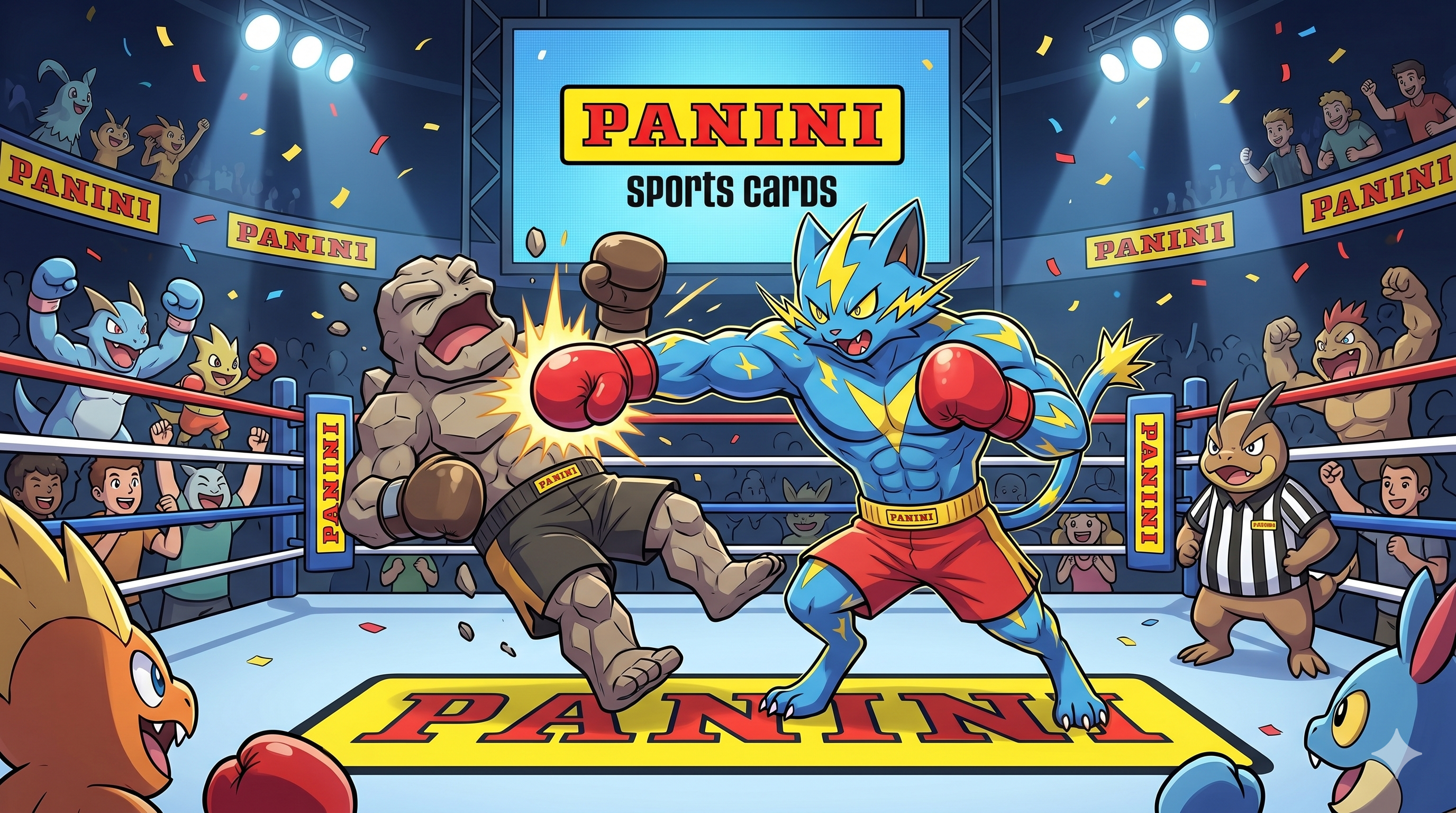
The Fanatics takeover of Topps created a near-monopoly on licensed sports product. On paper, that should increase scarcity and drive values. In practice, hobby box prices have soared past $500 for flagship products, squeezing out casual collectors and funneling all the upside to breakers and distributors. The barrier to entry that once defined the hobby's charm is now its biggest liability.
By the Numbers
Let's look at the data that matters:
- Sealed Pokemon booster boxes (Sword & Shield era): average 400% return since 2020, with Evolving Skies crossing $1,000 per box from a $144 MSRP
- Sealed sports hobby boxes: 2020 Prizm Basketball climbed from $200 to $2,000+ but has retreated 40% from its 2021 peak. Meanwhile, 2020 Prizm Football sits at $2,500 — up, but not exponentially
- PSA 10 population growth: Pokemon submission volume at PSA now rivals baseball and basketball combined. The grading pipeline is tilting toward TCGs
- Liquidity: Pokemon cards sell faster on eBay and TCGPlayer than comparably priced sports cards. The Pokemon collector base is younger, more active, and less dependent on a single athlete's performance
The Risk Nobody's Talking About
Pokemon isn't immune to a correction. The 30th anniversary printing wave has flooded the market with reprints of iconic cards. The Charizard that spiked to $200,000? There are now five different modern reprint variants competing for collector dollars. Fragmentation is the long-term risk — too many sets, too many parallel versions, too much product.
Sports cards carry their own warning label: career risk. A Pokemon Charizard doesn't tear an ACL. A Luka Doncic rookie card loses 30% of its value overnight when trade rumors swirl. The athlete factor introduces volatility that TCGs simply don't have.
The Verdict
Neither category is a guaranteed win. But the data favors the house that Pikachu built — at least for now. Pokemon's demographic tailwind (millennials aging into peak earning years) combined with lower barriers to entry and faster liquidity makes it the more efficient investment vehicle in 2026. Sports cards remain the blue-chip play — steady, respected, and legacy-driven — but they're losing the growth race to a yellow mouse and a fire-breathing lizard.
The smart money isn't picking sides. It's buying both — but it's putting 60% in Pokemon and waiting for the Panini premium to cool.