World Cup 2026 Cards Are Here — The Soccer Market Explodes as North America Hosts the World Cup
The 2026 FIFA World Cup is happening right now across North America — and with it, something the American sports card hobby has never really seen before: a full-blown soccer card market operating at full throttle on home soil. From Panini's iconic World Cup sticker albums flying off shelves to Prizm World Cup boxes commanding premium prices, the soccer collectibles space has emerged as a legitimate force in the hobby this summer.
The Scale of What's Happening
Panini kicked off its World Cup campaign by giving away 10 million free sticker albums across the United States, a move The Athletic reported as a deliberate effort to plant the World Cup collecting tradition in American soil. It worked. Panini World Cup sticker packs have been selling out at retailers nationwide, and the secondary market for completed albums and rare inserts has followed suit.
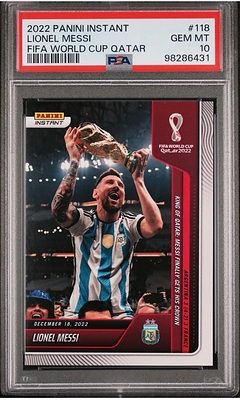
On the high end, Panini's Prizm World Cup product has produced eye-popping sales in its first weeks on the market. Sports Illustrated reported on the top five sales from the release, with Lionel Messi and Lamine Yamal cards leading the charge. A Messi Prizm Gold /10 and a Yamal Prizm Black Finite 1/1 both set new benchmarks for modern soccer cards, reflecting a market that is treating this World Cup release as a flagship product — not a niche international sideshow.
Multiple outlets are running dedicated collector guides for the tournament. Yahoo Sports published a group-by-group card chase guide breaking down which players' cards are moving. Sports Collectors Daily has been running a full series of World Cup group previews from the perspective of a card collector. Athlon Sports called it "The Soccer Card Explosion," noting the 2026 World Cup is "fueling a global collectibles boom." Even Sports Collectors Digest — a publication that has covered sports cards since before soccer was on the American hobby's radar — ran a feature headlined "FUTBOL FEVER."
Why This Time Is Different
Soccer cards have never been absent from the hobby — Panini has been making World Cup stickers since 1970, and high-end releases like National Treasures and Flawless have soccer checklists. But the American sports card market has largely treated soccer as a secondary category, a curiosity for the initiated rather than a mainstream collecting vertical.
The 2026 World Cup — the first hosted in North America — has changed that equation. The tournament is happening in American, Canadian, and Mexican time zones. Cards are being ripped and flipped in real time during group-stage matches. The hobby media, from Beckett to Sports Illustrated to The Athletic, is covering soccer card values alongside baseball and football. That crossover coverage is self-reinforcing: the more mainstream outlets treat soccer cards as a legitimate market, the more general-collector attention they attract.
Players Driving the Market
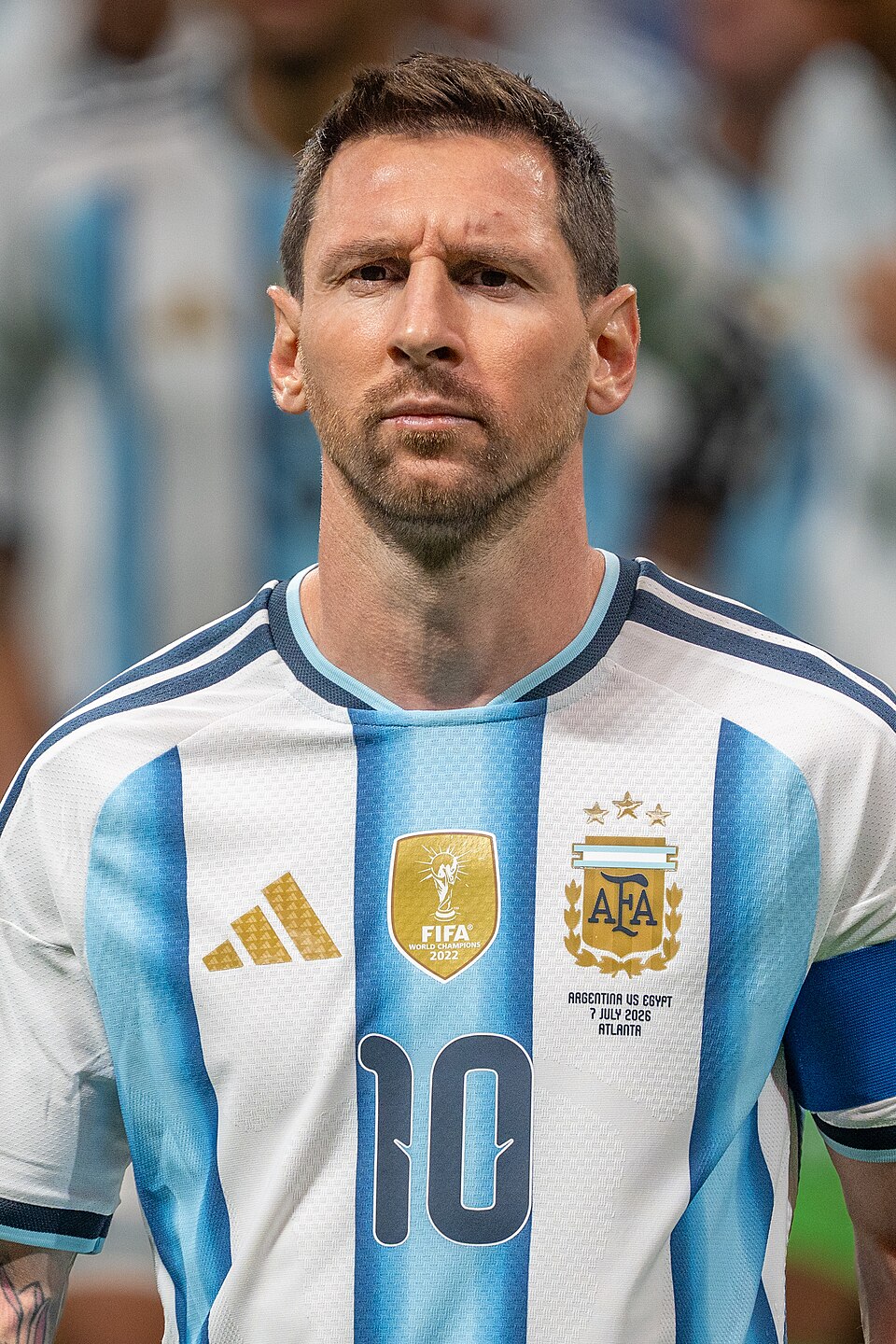
The usual suspects are leading the market. Lionel Messi, playing in what is almost certainly his final World Cup at age 39, has seen his card values climb as the tournament progresses. Cristiano Ronaldo, defying age at 41, continues to move the needle on any product he appears in. And Lamine Yamal, the 19-year-old Spanish sensation, has become the hobby's next global face, with his rookie cards surging as he delivers performances that match the pre-tournament hype.
Beyond the superstars, the depth of the 2026 World Cup market is notable. Sports Collectors Daily's group-by-group guides highlight players from Japan, Mexico, Senegal, and Morocco whose cards are seeing real demand — not from speculators chasing the next big thing, but from a growing base of collectors who follow the global game.
The 2031 Elephant in the Room
It would be remiss not to note the long-term dynamics at play. Fanatics will take over the FIFA trading card license from Panini starting in 2031, a shift the blog covered previously (CASE #0131). That means every Panini World Cup product released between now and 2030 carries an expiration date on future printings, which could give the current releases a "last of its kind" premium in the secondary market down the line. For now, though, the market is focused on the here and now — and the here and now is a World Cup happening on home soil for the first time.
The Bottom Line
The 2026 World Cup has done what decades of imported sticker albums could not: it has made soccer cards a mainstream American hobby category. Whether that momentum sustains beyond the final whistle in July depends on how the collecting infrastructure — retailers, grading companies, the hobby media — continues to treat the sport after the tournament ends. But for this summer, at least, the soccer card market is real, it is large, and it is impossible to ignore.
Confidence Note
This article draws on reporting from The Athletic (Panini's 10-million album giveaway), Sports Illustrated (Prizm World Cup top sales), Athlon Sports ("The Soccer Card Explosion"), Yahoo Sports (World Cup card chase guide), and Sports Collectors Daily (group-by-group collector guides). All sources are named and linked where possible. Market observations about Messi, Ronaldo, and Yamal reflect publicly reported card sales and established market data from these outlets. The Fanatics/Panini license timeline was previously covered in CASE #0131.