Bank of America Puts Digital Pack Rips at a $2 Billion Annual Run Rate, With Weekly Users Up From About 50,000 to 1.7 Million in a Year
Bank of America analysts say digital pack rips have reached an annualized revenue run rate of about $2 billion, with weekly active users climbing from roughly 50,000 to more than 1.7 million in about a year. Sportico reported the client note on Nov. 11, and iGaming Business detailed more of it on Nov. 13.
What the Report Sizes
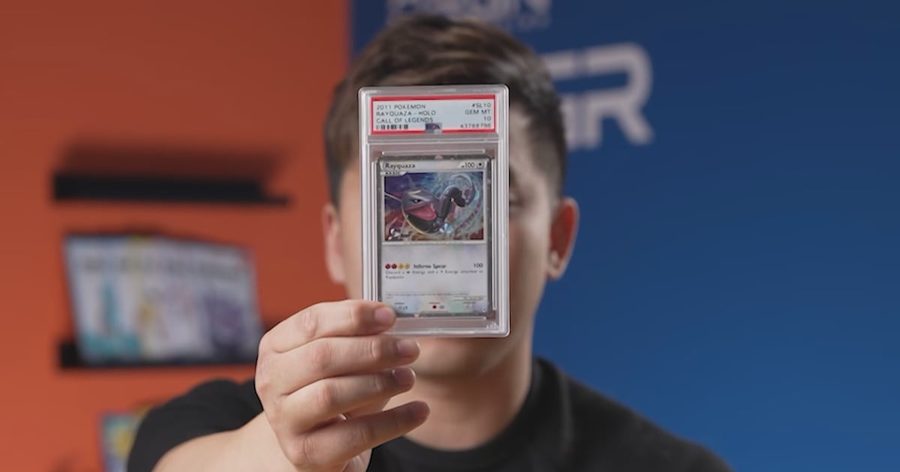
A digital rip is a pack opened on an app. The user pays an entry price, the app reveals one card, and the user can sell the card back, store it or ask for it to be shipped. According to Sportico, operators keep at least 6% of what users spend on packs that hold one random card and are, on average, worth less than the entry fee. Bank of America compares the economics to "a slot machine," Sportico reports. Most users on the apps choose to sell their cards back to the platform immediately.
The $2 billion figure does not include live breaking, Sportico reports. That is the separate product in which buyers pay upfront for a share of the cards a streamer opens on camera. Fanatics runs both a rips app and a live-breaking app, while Underdog and PrizePicks offer only rips, according to Sportico.
iGaming Business reports a second, larger number from the same report. Bank of America's analysis of blockchain transactions puts annualized gross merchandise value at about $13 billion, with estimated weekly transaction volume rising from about $14 million to nearly $250 million over the year. Gross merchandise value is the total value sold, not the operators' revenue.
Who Is Ripping, and What
Blockchain data cited in the report attributes about 58% of rips to Pokémon and about 15% to sports, according to iGaming Business. Roughly 70% of volume is in packs costing less than $25. The bank's demographic analysis puts 39% of rips customers between 25 and 34 and another 20% between 18 and 24.
Among dedicated apps, Rips by Triumph holds about 55% of active users, according to the report as iGaming Business describes it. The note names FanDuel's partnership with Arena Club, says Underdog and PrizePicks already offer rips, and lists Coinbase, Crypto.com and Betr as companies moving in.
Where the Money Comes From
The report identifies two revenue lines. The first is the take on the pack itself. Bank of America estimates that most packs carry an initial take rate of about 5% to 10%, which it calls broadly comparable with slot machine hold. Applied to $13 billion of annualized volume, its central estimate comes to about $1 billion of initial-rip revenue.
The second is the buyback spread. Some operators pay customers about 85% to 90% of a card's fair market value when they sell it back, the report says, while several pay full fair market value.
Analysis: A card bought back at 85% to 90% of its fair market value leaves the operator with 10 to 15 cents of every dollar of that value.
The Cost Side
The report says pack rips "carry a material COGS expense because every digital card is backed by physical inventory." It adds that inventory is increasingly used as a customer-acquisition tool, and cites PrizePicks buying three NBA Debut Patch cards for more than $13 million, including an $8 million Cooper Flagg card. CASE #0406 covered that Flagg card entering PrizePicks packs as a prize.
The report says trading card prices have risen about fourfold since 2020 and about 60% since January 2025, while stopping short of attributing that rise solely to rips. Its sensitivity figure: a 40% decline in inventory fair value would cut gross profit by about 55%.
The Legal Footing
Sportico reports that rips are regulated as e-commerce rather than gambling, which lets companies offer them nationwide without paying vice taxes. Bank of America writes that it expects "increased scrutiny" if rips keep growing, and that legal experts it consulted believe the category is "on solid regulatory footing as long as the cards remain backed by physical inventory."
The report points to California claims against Whatnot and Fanatics Live that allege randomized breaks and repacks violate gambling and lottery laws. It notes that no court or arbitrator has yet ruled that those formats are illegal gambling. The report's own description of the defense is that a pack rip is "a retail transaction, not gambling," because customers are buying a physical collectible and randomness decides which card they receive. It also says that, given the popularity of trading cards among children, avoiding marketing to minors will be important, and that leading operators currently restrict access to adults 18 and older.
Analysis: Earlier cases in this series looked at individual platforms. CASE #0353 covered the sell-back option on the Pokémon pack apps, and CASE #0381 covered PrizePicks' 72-hour automatic sell-back. This report sizes the category as a whole, and sports cards, about 15% of rips in its blockchain data, are the smaller share of the activity it measures.
Confidence note: The $2 billion run rate, the user growth, the 6% minimum take, the "slot machine" comparison, the e-commerce regulation point, the live-breaking exclusion and the Bank of America quote on scrutiny are from Sportico (Nov. 11, 2026), which reports a Bank of America analyst client report. The $13 billion volume, user and rip shares, take rates, buyback terms, inventory and price figures, and legal discussion are from iGaming Business (Nov. 13, 2026), reporting the same Bank of America note. Every figure is Bank of America's estimate as reported by those outlets. Passages labeled Analysis are the blog's interpretation. Image: Sportico.