Mid-2026 Sports Card Market Report: State of the Hobby at Halftime
The sports card market at mid-2026 is telling two stories at once. Vintage blue chips keep climbing while modern hype cycles correct. A new NFL licensing era is underway. The WNBA card market has gone from niche to mainstream in 18 months. And grading — the backbone of the entire ecosystem — is still trying to find its footing after the backlog crisis. Here's where every major category stands at the halfway mark of 2026.
Basketball: The Wembanyama Correction Is Healthy
Victor Wembanyama's rookie cards ran up hard heading into the NBA Finals. His Prizm PSA 10 hit $5,500 during the Spurs-Knicks series — a doubling from January. Post-Finals, the pullback was predictable. Key Wembanyama cards are down 15-25% from their peak, but still up significantly year-over-year.
This isn't a crash. It's what happens when speculative money piles into a Finals run and exits after the confetti falls. The broader basketball market is actually stable — LeBron, Curry, and Giannis rookies are flat to slightly up. The 1986 Fleer Jordan remains the unshakable anchor, with PSA 8s holding firm in the $5,000-6,000 range.
What's actually growing: international basketball cards. Luka Doncic rookie parallels have been quietly appreciating. The global collector base is expanding, and basketball's international reach means demand isn't solely dependent on American buyers.
Baseball: Vintage Strength, Modern Questions
The vintage baseball market continues to defy gravity. The 1952 Topps Mantle PSA 8 that sold for $520,000 at Heritage in May wasn't an outlier — it was confirmation that elite vintage pieces are being treated as alternative assets by serious capital. Mantle, Mays, Aaron, Clemente — the Mount Rushmore names — all saw 5-10% appreciation in the first half of 2026.
Modern baseball is a more complicated story. The 2026 Topps Series 1 rookie class (Skenes, Holliday, Wood) generated excitement at launch, but base rookie prices have settled into familiar patterns: a spike at release, then a steady decline as the season grinds on. The real action is in low-numbered parallels and autographs.
One trend worth watching: the return of unlicensed baseball products. 2026 Donruss Baseball sold through, proving there's still appetite for nostalgic brands even without MLB logos. Panini's baseball exit left a gap that Donruss is quietly filling.
Football: The Fanatics Era Begins
June 2026 marks the true start of the post-Panini NFL landscape. Topps Signature Class Football — the first premium licensed autograph product under Fanatics — dropped to strong reviews. The checklist is deep: Tom Brady, Joe Montana, and Jerry Rice Crystal Clear legends inserts share space with Cam Ward and Ashton Jeanty rookie autos.
The transition hasn't been flawless. Distribution has been uneven, and some breakers report allocation issues. But the product quality is there, and collectors seem ready to embrace Topps football again after a decade of Panini exclusivity.
The big question for H2 2026: how will Topps Chrome Football perform? It's the flagship modern brand, and its October release will be the first real test of whether Fanatics can match the Panini-era hype machine.
WNBA: The Breakout Category of 2026
No segment of the hobby grew faster in the first half of 2026 than women's basketball cards. Caitlin Clark's rookie cards have been the engine — her Prizm parallels command prices that would've been unthinkable two years ago. The WNBA Prizm debut this month is the most anticipated women's sports card release in history.
This isn't a one-player story. Angel Reese, Cameron Brink, and Kamilla Cardoso have active collector bases. The Indiana Fever and Chicago Sky have become legitimate card-market draw teams. Retailers report WNBA allocations selling through faster than some MLB products.
The ceiling is still unknown. WNBA cards remain a fraction of NBA market cap, but the growth curve is steep. If Prizm WNBA performs at retail and the rookie class delivers on the court, this category could double again by year-end.
Grading: PSA Steadies, Beckett Surprises, SGC Slides
The May 2026 GemRate report told a nuanced story. Total grading volume dipped below 3 million cards for the second straight month. PSA still commands 70% market share. But Beckett hit a record high — their vintage and autograph authentication business is growing as collectors seek alternatives during PSA's backlog crunch.
SGC is the cautionary tale. Once the fast-rising #3, their volume has fallen sharply. The "tuxedo slab" aesthetic that was briefly trendy now competes against PSA's Set Registry lock-in and Beckett's premium reputation. In grading, network effects are everything — and PSA's network is still the biggest.
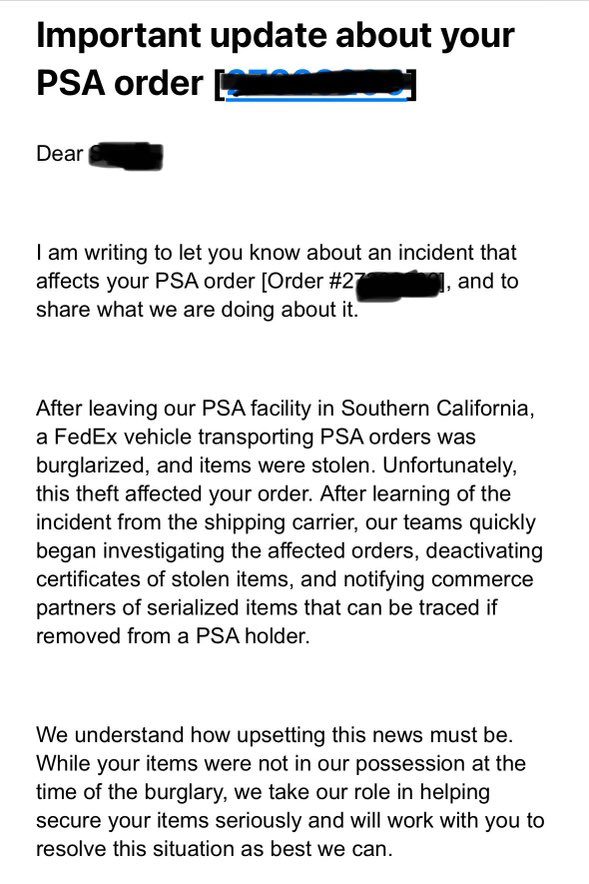
PSA's value tier remains closed with wait times still above 90 days. The company has signaled a potential mid-summer reopening, but no date is confirmed. Until then, the grading bottleneck continues to reshape collector behavior: more raw card trading, more selective submissions, and more consideration of alternative graders.
What to Watch in H2 2026
- The National Sports Collectors Convention (July 30 - August 3, Atlantic City) — the hobby's biggest in-person event. Expect major auction announcements, product reveals, and a temperature check on dealer sentiment.
- Topps Chrome Football (October) — the first real measuring stick for Fanatics' NFL era. If it hits, the Panini-to-Fanatics transition is officially successful.
- PSA Value Tier reopening — whenever it happens, it'll release a wave of pent-up grading demand that could temporarily flood the market with fresh slabs.
- WNBA Prizm secondary market — the debut will create a pricing baseline. Whether it holds, rises, or fades will tell us if women's sports cards are a lasting category or a moment.
- Football season kickoff — the annual rookie-class repricing that happens every September. This year's class has real stars (Ward, Jeanty, Sanders, Hunter) and the post-Panini backdrop adds an extra variable.
Verdict: The mid-2026 hobby is not the fever-dream of 2021, nor the panic of 2023. It's a maturing market with real fundamentals — and real risks. Vintage strength, modern selectivity, and the emergence of entirely new categories (WNBA, international basketball) suggest the hobby is healthier than the headlines sometimes imply. The second half will reward patience and punish FOMO, same as it always has.