Panini's AI Card-Back Problem Isn't Going Away on Its Own
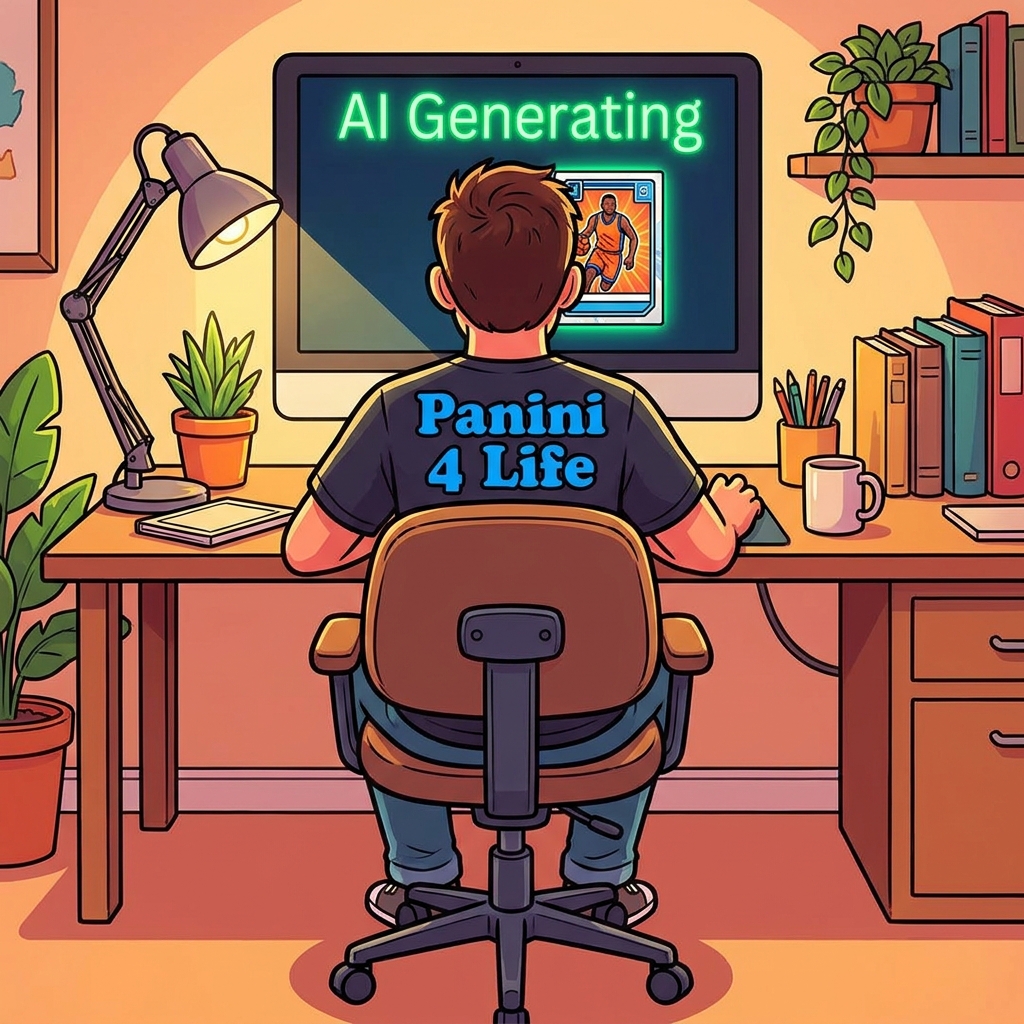
Panini's AI card-back problem isn't going away on its own — and the company's carefully worded denial is doing more harm than good.
The Athletic's Larry Holder reported on June 4 that the backs of Panini's 2025-26 Signature Series basketball cards carry text that reads, charitably, like nothing Panini has published before. Less charitably: like a language model wrote it on autopilot.
Collectors noticed first. The copy on the Signature Series backs is dramatically overwrought — phrases like "He crashes the rim like lightning seeking a target" — and at least one factual error slipped through: a player described as making 3-pointers who, by every available record, didn't attempt a single one all season. When the same player (VJ Edgecombe) appears on 2025-26 Topps Chrome cards, the back reads like a scouting report — points per game, steals rank in the Big 12, the kind of dry precision that suggests someone actually looked at a box score. The contrast is jarring.
Panini's denial, delivered to The Athletic, was this:
"Panini has a full-time, dedicated team of real people, many of which are former sports writers that write trading card backs for Panini products."
A statement of fact, not a defense. No commitment to an audit. No promise to label AI-assisted copy. No description of any quality-control process that would catch a hallucinated 3-point attempt before it reached print.
That's the part that should worry collectors more than the original allegation.
The License Clock Is Ticking
Panini's NBA license is winding down with the 2025-26 season; the NFL license already expired in March 2026. Fanatics is taking over both. For Panini, the next twelve months are about whether the company has a future as a trading-card maker at all — and the answer depends almost entirely on whether collectors trust the product.
Into that context drops an AI-text story. Even if Panini's denial is true — even if every Signature Series back was written by a salaried human with a journalism degree — the optics are brutal. Because the denial doesn't address the visible evidence. It doesn't explain the prose style. It doesn't explain the factual error. It just asserts that real people exist, and leaves it to the hobby to take their word for it.
What This Is, and What It Isn't
To be fair to Panini: a single report in The Athletic is not a conviction. The evidence on the table is suggestive — odd prose, one factual error, a sharp stylistic break from earlier Panini products — but it's not proof. "Sounds like AI wrote it" is a vibe, not a forensic conclusion. Panini is owed the presumption of good faith until somebody produces a smoking gun.
But the company isn't helping itself. A serious response would look like this:
- Identify the specific writers who produced Signature Series copy
- Share samples of comparable work from the same staff on earlier sets
- Commission an independent review of the writing process
- Commit to a clear disclosure policy going forward
Panini did none of that. The statement reads like the kind of corporate response designed to make a story go away, not to restore trust.
Why Collectors Should Care
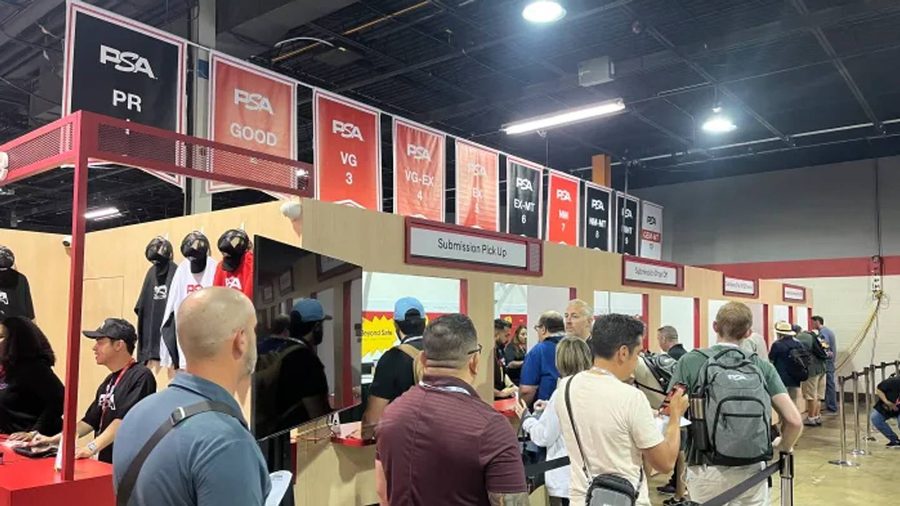
The graded-card industry exists because collectors need third-party verification that a card is what it claims to be. PSA, BGS, and SGC exist because the market learned, painfully, that self-attestation from sellers isn't enough. AI-generated card backs threaten that same trust, just one layer up the stack: now the information on the card might be unverifiable too.
This isn't a one-off lapse. It's a stress test of whether the hobby's biggest licensed manufacturer is willing to be transparent about how its products are made, at exactly the moment when transparency would buy it the most goodwill. So far, the answer looks like no.
Watch this story. The Athletic piece is the beginning, not the end.