The Pokémon Trading Card Game Enters the National Toy Hall of Fame as a Game, and the Museum's Own Entry Names the Speculation
The Pokémon Trading Card Game is now in the National Toy Hall of Fame. The Strong National Museum of Play in Rochester, N.Y., inducted it on Nov. 5, 2026, as one of four toys in the class of 2026, alongside bingo, Care Bears and the slide. The museum's case for it rests on play: a game simple enough to learn in one sitting. Its own write-up also names the side of the hobby that chases cards for money.
The Class of 2026
The four inductees came out of a field of 12 finalists. The eight that missed were Bop It!, Mahjong, Monster High dolls, Mouse Trap, Polly Pocket, Sorry!, Tickle Me Elmo and Yahtzee. According to the museum's press release, the four winners "have been enshrined and are on view" at The Strong, which houses the Hall. TODAY revealed the class the same morning as an exclusive.
The Hall dates to 1998. It recognizes toys that "have inspired creative play and enjoyed popularity over a sustained period," in the museum's words. Anyone can nominate a toy, and the final picks are made "on the advice of historians, educators, and other individuals who exemplify learning, creativity, and discovery through their lives and careers."
What the Museum Said About Pokémon
The press release gives the game a short paragraph. It says the Pokémon TCG "has impacted trading card games throughout the world, with billions of cards produced since it debuted in 1996," and that its "mechanics are straightforward and can be grasped within a single game." It credits "a dedicated community of anime enthusiasts, manga readers, and video game players" for supporting it.
Curator Mirek Stolee gave the quote:
"Pokémon TCG's widespread appeal and global presence are undeniable. The Pokémon TCG successfully adapted card game formulas established by its predecessors, making it more accessible and infusing it with the lovable Pokémon creatures."
The game's entry on the museum's inducted-toys page goes further. It says the TCG first came out in Japan in 1996, after the Pokémon monster-collecting games for the Nintendo Game Boy. Interest in the translated Game Boy games then grew in the United States, and the card game was localized after that. The entry describes two players, each with a 60-card deck of Pokémon, trainers and items, battling until one wins. It calls the game's accessibility "relative," compared with "other collectible card games such as Magic the Gathering." Pre-made decks at an affordable entry price and a free-to-play mobile app help with that, it says.
The entry puts a number on that reach. "As of March 2026, more than 85 billion cards have been produced globally," it says, and the game has been translated into 16 languages and distributed in more than 90 countries and regions.
The Line About Speculation
One passage in the entry is about the collector market, not the game. "Recently, the cards have become the focus of major financial speculation," the museum writes. "Online viewers watch content creators 'rip,' or open, TCG packs, in the hope of finding valuable, rare cards."
That is the museum's description, and it ends there. The induction is for the game. The citation's reasons are play, accessibility and staying power, and nothing in the release ties the honor to prices, graded cards or sales.
Analysis: A Hall that honors toys for "creative play" chose to mention pack ripping and speculation in its own entry. The curators noted that adults watch other people open packs hoping to find a valuable card. For collectors, that is an outside institution recording the hobby's current shape in its permanent text, ripping culture included. It isn't an endorsement of that market, and the entry doesn't present it as one.
Cards Already in the Hall
Pokémon is not the first card product on the museum's list. Its inducted-toys pages show baseball cards, inducted in 2023. That entry tells a different kind of story: tobacco and candy premiums, Topps and Bowman after World War II, and children who traded cards, learned statistics and kept collecting into adulthood. It describes collecting "one of the few childhood pastimes that often carries through to adulthood."
Analysis: Put the two entries side by side and the museum has honored both halves of the card hobby in three years. The baseball card entry is about collecting: saving, trading and carrying a collection into adult life. The Pokémon entry is about a game first, with collecting and speculation as the newer chapter. The museum honors the toy in each case, not the market. But between them, the two entries reach from children's pastime to grown-up chase, and that is the range the hobby works in now.
The Timing
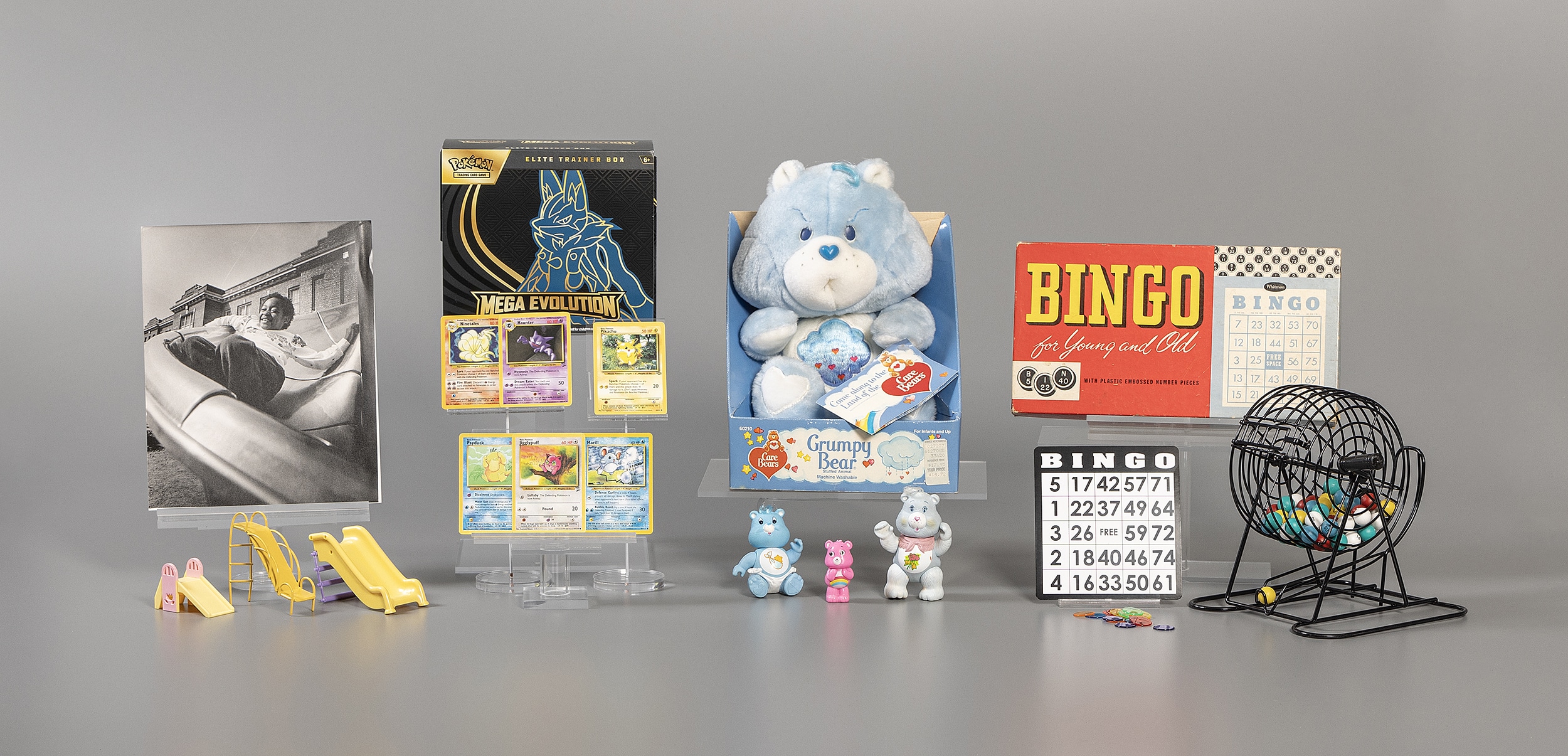
The induction landed the day before Mega Evolution—Delta Reign, the newest Pokémon TCG expansion, reached stores on Nov. 6. CASE #0434 looked at an early opening of that set. The image the museum released with the announcement shows a Mega Evolution Elite Trainer Box beside a row of Pokémon cards on stands, next to the other three inductees.
Verdict: The Pokémon TCG went into the National Toy Hall of Fame as a game, for its accessibility and its 30 years of play, from a field of 12. The museum's own entry also names the market around it: 85 billion cards produced, and a rip-and-chase culture that it calls "major financial speculation." The honor is for the game, and the museum's own text acknowledges the market as well.
Confidence note: Sourced from The Strong National Museum of Play's Nov. 5, 2026 press release, the museum's inducted-toys entries for the Pokémon Trading Card Game (2026) and baseball cards (2023), and TODAY's Nov. 5 report of the class. The Delta Reign release date is from The Pokémon Company's announcement, as cited in CASE #0434. Passages labeled Analysis are the blog's interpretation. Featured image: The Strong National Museum of Play.