PSA Europe Opens in Frankfurt This August — Phase One of the $200 Million Build-Out
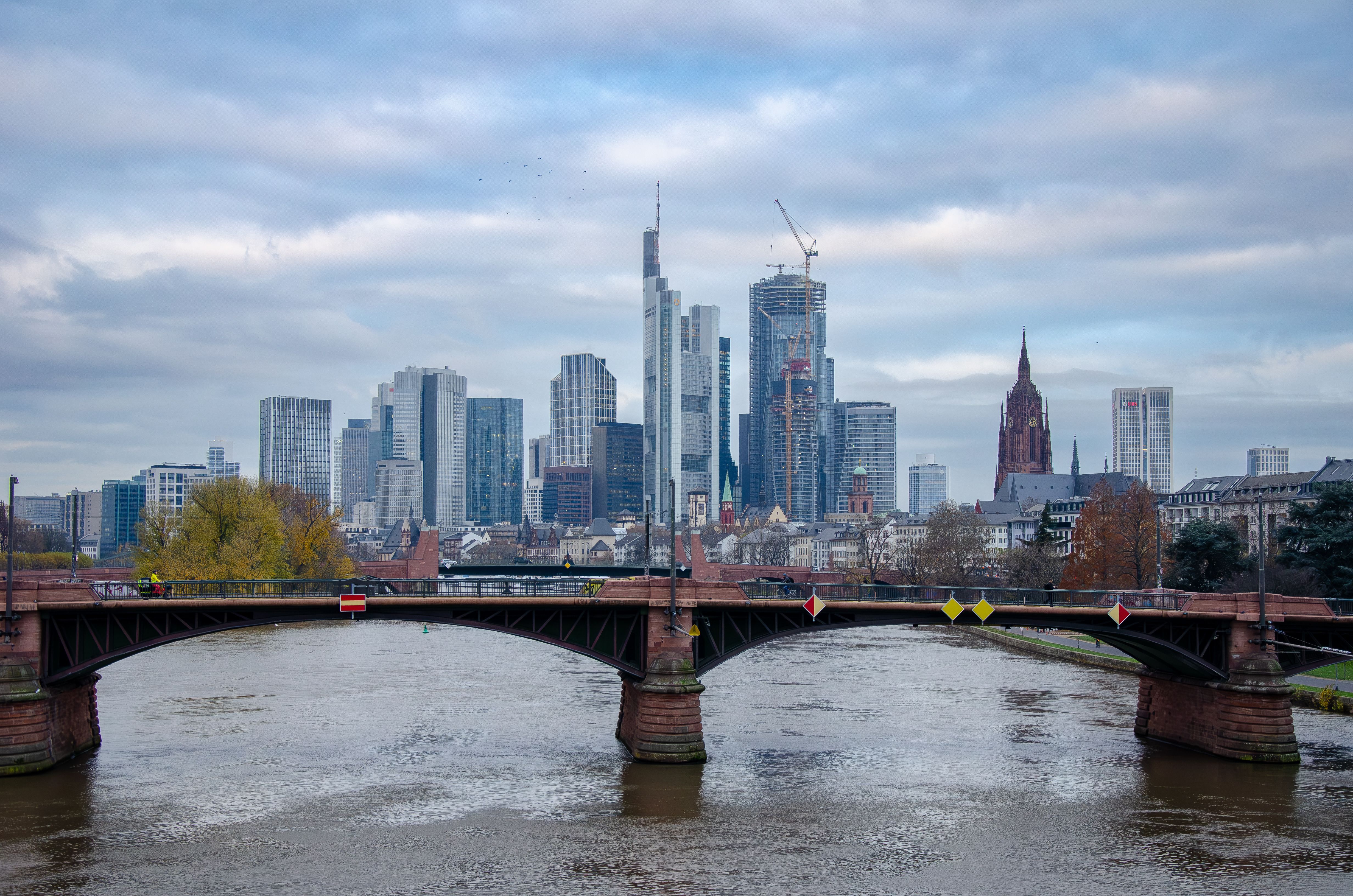
While American collectors wait out a 10-million-card backlog and a still-active Value tier pause, Professional Sports Authenticator is opening a new front in the war on submission wait times. PSA Europe will begin operations this August in Frankfurt, Germany, with submissions opening to early access partners in July. The facility is the first phase of PSA's $200 million infrastructure investment announced May 14, and it is the company's first full-scale grading operation outside the United States and Japan.
The timing is the story. The U.S. submission window is narrower than it has been in a decade. PSA is grading far fewer cards than it is receiving, the Value tier is paused, and collectors who remember two-month turnarounds are now staring down waits measured in seasons. Frankfurt is not opening in a vacuum. It is opening because PSA's domestic capacity is the binding constraint on the entire hobby, and the company has decided that the fastest way to add capacity is to add a continent.
What Frankfurt Is
PSA Europe is a full-scale grading facility, not a receiving center. Per PSA's June 11 announcement, submissions will open in July to early access partners — PSA Authorized Dealers and similar relationships — and grading will begin in August. Approximately 100 local team members are being hired in Frankfurt for 2026, across General Operations (Graders, Research Specialists, Security, Floor Management) and corporate functions (G&A, Marketing, Finance, Accounting, Business Development, IT). The facility is described as "roughly similar to PSA Japan's size," which is a meaningful reference point: PSA Japan has been the company's primary non-U.S. operation for years and runs a full grading stack independent of the California headquarters.
This is structurally different from PSA's existing London presence. The London intake point, opened in spring 2025 inside the Fanatics flagship hobby store on Regent Street, is a receiving center only — cards go in at Regent Street and ship back to the U.S. for grading. Frankfurt is the first time a PSA card can be submitted, graded, holdered, and returned to a collector without ever crossing the Atlantic. For European collectors, that eliminates customs friction, currency-conversion fees on the PSA side, and the round-trip shipping lag that has made international submissions a six-to-eight-week minimum even in normal times.
The $200 Million Context
The Frankfurt facility is phase one of PSA's $200 million infrastructure investment, announced May 14, 2026. The investment was framed at the time as an industry response to "record grading volumes" — PSA graded more cards in 2025 than in any year in its history, and the 2026 pipeline was on pace to exceed it. The company publicly committed to expanding headcount, technology, and physical capacity. The Frankfurt facility is the first concrete deliverable against that commitment.
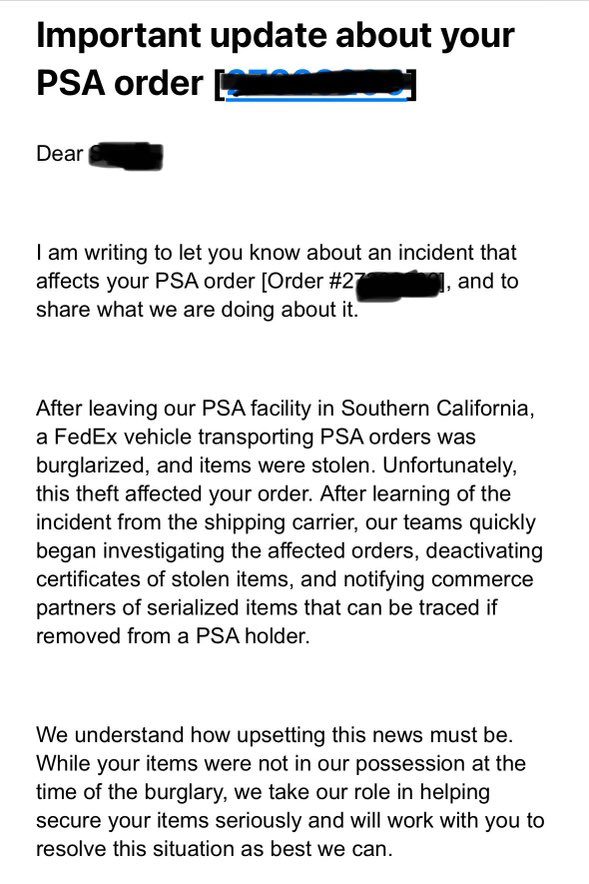
But the announcement landed the same week that PSA began telegraphing what would become the late-May pause. Two weeks later, on May 28, PSA halted all Value tier submissions (cards valued under $80 raw) after the submission backlog hit roughly 10 million cards. The pause remains in effect as of this writing. The August Frankfurt launch will not bring American Value tier submissions back online on its own — the U.S. operation needs its own headcount, technology, and physical expansion before the backlog clears. But every card graded in Frankfurt is a card that does not need to be graded in California or New Jersey, and that math is the only thing that matters right now.
What It Means for U.S. Collectors
The optimistic read: Frankfurt's grading output, layered onto PSA Japan and the existing U.S. operations, creates a tri-continent capacity base that did not exist six months ago. If even a modest share of the 10-million-card backlog is processed in Frankfurt during the back half of 2026, the U.S. wait times for standard submissions should start compressing by Q4. The Value tier pause is harder to call — that decision is tied to specific economics around sub-$80 cards that Frankfurt does not directly address — but the overall direction of travel is toward relief.
The cautious read: the Frankfurt operation is starting with early-access partners, which means the facility's first months of throughput are not going directly to retail collectors. Authorized Dealers and similar partners will get first crack at the new capacity, and those relationships tend to be dominated by large-volume commercial submitters. By the time retail collector submissions open in Frankfurt, the U.S. Value tier pause will likely still be the headline issue for most hobbyists. The Frankfurt facility is a real answer to the backlog, but it is not a quick answer.
The structural read: this is the most consequential operational change PSA has made since the launch of PSA Japan more than a decade ago. A three-continent grading footprint changes how PSA can absorb demand spikes, route submissions around regional disruptions, and compete for international collector relationships that have historically gone to SGC, BGS, or CGC. Combined with TAG Grading's AI-powered entry into the market (the other June 11 industry story), the card-grading market in 2027 is going to look meaningfully different from the card-grading market of 2024. For the first time in years, the U.S. collector has alternatives to waiting for PSA.
The Bigger Picture
The Frankfurt launch is part of a pattern that has been building for almost a year. In September 2025, PSA announced the Frankfurt facility as its first full-scale European grading operation. In December 2025, the company confirmed a London receiving center for 2026. In February 2026, the German facility plan was reaffirmed. In May 2026, the $200 million infrastructure investment was announced alongside the late-May pause. Each announcement has been another data point in the same story: PSA is positioning itself as a global grading company, and the domestic capacity crunch is the cost of that transition.
For European collectors, the launch is unambiguously good news. For U.S. collectors, it is good news that is going to take time to arrive. For the broader hobby, it is the clearest signal yet that institutional and operational capital is being deployed against the grading bottleneck that has defined the 2026 collecting experience. Whether that deployment is fast enough to matter for this summer's submissions, or only for the fall, is the question that will define the next three months.
Verdict: A grading company expanding to a third continent while it cannot grade its own domestic backlog is either building ahead of demand or admitting it cannot catch up. Either way, the hobby is watching.