FIFA Ends Panini's 60-Year Sticker Era: Fanatics and Topps Take Over World Cup Rights From 2031
The sports collecting world is bracing for one of the most significant licensing shifts in history: FIFA has officially ended Panini's near-60-year partnership as the exclusive producer of World Cup stickers and trading cards, awarding the rights to Fanatics-owned Topps starting in 2031. The decision, first reported on May 7, 2026, marks the end of a collecting tradition that has spanned generations.
The End of a 60-Year Legacy
Panini's association with the FIFA World Cup dates back to the 1970 tournament in Mexico, when the Italian company published its first official sticker album. For millions of collectors worldwide, the ritual of peeling, sticking, and trading Panini stickers has been a quadrennial rite of passage — one that will conclude after the 2030 World Cup, which will serve as the centenary tournament and the finale of Panini's run.
"Across the sports landscape, we see that Fanatics are driving massive innovation in collectibles that provides fans with a new, meaningful way to engage with their favorite teams," a FIFA representative said in announcing the partnership. Under the terms of the deal, Fanatics' collectibles division will take over all FIFA-related trading cards, stickers, trading-card games, and digital collectibles beginning with the 2031 cycle.
What Changes — and What Doesn't
For collectors, the immediate impact is minimal. Panini's agreement with FIFA, signed in December 2023, covers the 2026 World Cup in North America. This summer's tournament and the 2030 centenary World Cup will both feature Panini sticker albums as planned. The 2026 World Cup, being hosted across the United States, Canada, and Mexico, has already driven record sticker sales — Panini reported giving away 10 million free albums to meet demand.
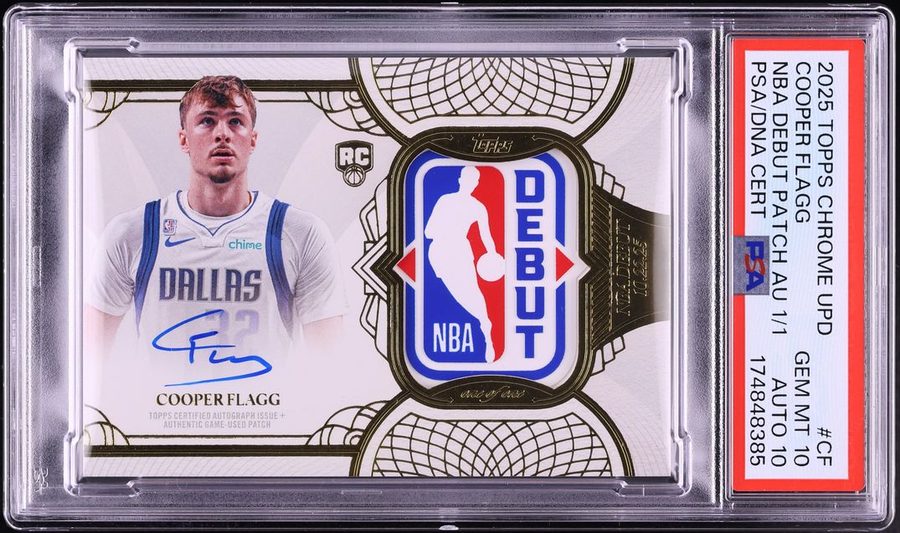
What changes starting in 2031 is the entire ecosystem. Fanatics brings Topps' modern parallel systems, autograph inserts, and refractor technology to the FIFA licensing space. Where Panini built a global institution around the simple sticker album format, Fanatics will likely introduce the full suite of hobby trading card products — chrome finishes, numbered parallels, on-card autographs — that have defined the modern sports card market.
The Panini-to-Fanatics Playbook
This transition follows a now-familiar pattern. Fanatics has systematically acquired or replaced Panini's major licensing agreements across North American sports, including the NFL, NBA, and MLB. The FIFA deal mirrors these earlier moves: Fanatics secures the license years before it takes effect, the incumbent finishes its existing term, and then the hobby adapts to a new product landscape.
For Panini, the loss of FIFA rights is particularly painful given the company's deep historical association with World Cup collecting. The 1970 Panini World Cup album has become a cultural artifact in its own right — a completed 1970 album sold at auction for over £10,000 in 2017.
What It Means for Collectors
The 2030 Panini World Cup album is now positioned to become one of the most historically significant collectibles in the soccer market. As the final chapter of a 60-year run, it could attract both completionist collectors and investors betting on long-term nostalgia demand.
At the same time, the entry of Topps into the FIFA market opens new possibilities. Topps has built its modern reputation on cutting-edge card designs and complex parallel structures — think Star Notes, Superfractors, and printing plates applied to the global stage of World Cup collecting. For soccer collectors who have watched the broader hobby evolve around them, this represents the most significant product innovation the category has seen.
The verdict: FIFA's decision ends one of the most remarkable runs in collecting history while opening a new chapter that will reshape the soccer card market for decades. The 2026 tournament is the last World Cup with Panini stickers as the unquestioned king — enjoy it while it lasts.
Confidence Note
This article draws on verified reporting from The Guardian (published May 7, 2026), which confirmed FIFA's partnership change, the 60-year timeline, and the 2030 World Cup as Panini's final tournament. Additional context on the Panini-to-Fanatics pattern draws on prior blog reporting and industry knowledge. The specific details of Topps' product plans for the FIFA license after 2031 are speculative and based on Fanatics' approach to other licensed properties.